


Understanding OTR: What Does It Mean in Truck Driving
- 2 days ago
- 4 min read
When you hear the term OTR in the world of trucking, it might seem like just another industry acronym. But for truck drivers and those interested in the logistics field, OTR carries significant meaning that shapes the lifestyle, work schedule, and responsibilities of drivers. This post explores what OTR means in truck driving, why it matters, and how it affects the daily life of truckers.
What Does OTR Stand For?
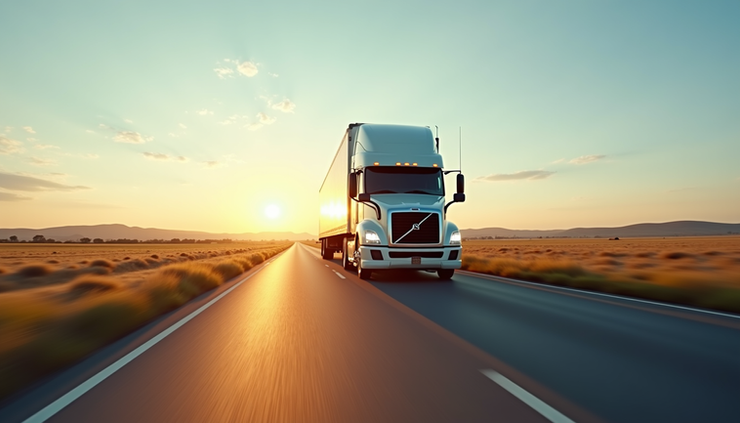
OTR stands for Over The Road. In truck driving, it refers to long-distance hauling where drivers cover extensive routes that often cross state lines or even span across the country. Unlike local or regional trucking, which involves shorter trips and frequent returns to a home base, OTR drivers spend days or weeks on the road, delivering goods over vast distances.
This type of trucking requires a different set of skills, endurance, and lifestyle adjustments compared to other types of driving jobs.
How OTR Trucking Differs from Other Types of Trucking
To understand OTR better, it helps to compare it with other common trucking categories:
Local Trucking
Drivers operate within a limited radius, usually returning home daily. They often handle deliveries within a city or metropolitan area.
Regional Trucking
Drivers cover a larger area than local trucking but still stay within a specific region or group of states. Trips might last a few days, with some nights spent away from home.
OTR Trucking
Drivers travel long distances, often crossing multiple states or the entire country. Trips can last from several days to weeks, with drivers spending extended time away from home.
The key difference is the distance traveled and time spent on the road. OTR drivers face unique challenges and rewards due to this lifestyle.
The Daily Life of an OTR Truck Driver
OTR trucking is not just a job; it’s a lifestyle. Here’s what a typical day or trip might look like for an OTR driver:
Starting the Trip
Drivers begin by inspecting their truck and trailer to ensure everything is in working order. Safety checks are crucial before hitting the road.
Driving Long Hours
OTR drivers often drive 8 to 11 hours a day, following federal regulations on hours of service. They must manage fatigue and stay alert over long stretches of highway.
Rest and Sleep
Drivers take mandatory breaks and rest periods, often sleeping in their truck’s sleeper cab or at designated truck stops.
Route Planning
Planning routes to avoid traffic, road closures, or weight restrictions is part of the job. GPS and trucking-specific apps help with navigation.
Loading and Unloading
Depending on the job, drivers may assist with loading or unloading cargo or wait for dock workers to handle it.
Communication
Staying in touch with dispatchers, customers, and family is important. Many drivers use CB radios, phones, or apps to communicate.
Benefits of OTR Truck Driving
While OTR trucking can be demanding, it offers several advantages:
Higher Pay
Due to the long distances and time away from home, OTR drivers often earn more than local drivers.
Travel Opportunities
Drivers get to see different parts of the country, experience new places, and enjoy the open road.
Independence
OTR drivers work with a high degree of autonomy, managing their schedules and routes within company guidelines.
Job Availability
The trucking industry consistently needs OTR drivers, making it a stable career choice.
Challenges Faced by OTR Drivers
The OTR lifestyle comes with its share of difficulties:
Time Away from Family
Long trips mean drivers spend days or weeks away from loved ones, which can be emotionally challenging.
Fatigue and Health Issues
Sitting for long hours, irregular sleep, and limited access to healthy food can impact physical and mental health.
Road Hazards
Weather, traffic, and road conditions can create dangerous situations.
Regulatory Compliance
Drivers must follow strict rules on hours of service, vehicle maintenance, and cargo safety.
What Skills Do OTR Drivers Need?
Success in OTR trucking requires more than just driving skills:
Money Management
Understanding when to fuel and how much fuel you should invest in per load will directly influence your pay.
Time Management
Balancing driving hours, rest breaks, and delivery schedules requires good planning.
Problem-Solving
Drivers often face unexpected challenges like detours, mechanical issues, or delays.
Communication
Clear communication with dispatchers and customers helps keep deliveries on track.
Self-Discipline
Managing long hours alone on the road demands focus and responsibility.
Equipment and Technology Used in OTR Trucking
Modern OTR drivers rely on several tools to make their job easier and safer:
GPS Navigation Systems
Specialized trucking GPS units help avoid low bridges, weight limits, and restricted routes.
Electronic Logging Devices (ELDs)
These devices track driving hours automatically to ensure compliance with regulations.
Truck Stop Amenities
Many truck stops offer showers, restaurants, and repair services to support drivers on the road.
Communication Tools
Smartphones, CB radios, and apps keep drivers connected.
How to Become an OTR Truck Driver
If you’re interested in becoming an OTR driver, here are the typical steps:
Get a Commercial Driver’s License (CDL)
This is required to operate large trucks legally.
Gain Experience
Many companies prefer drivers with some experience, often starting with local or regional routes.
Choose a Trucking Company
Look for companies that offer OTR positions with good pay and benefits.
Complete Training
Some companies provide training programs to prepare drivers for OTR work.
Understand Regulations
Learn about hours of service, safety rules, and cargo handling requirements.
Tips for Thriving as an OTR Driver
To make the most of an OTR career, consider these practical tips:
Prioritize Sleep
Rest is critical for safety and health. Use your sleeper cab effectively.
Stay Active
Take breaks to stretch and move to reduce stiffness and fatigue.
Eat Healthy When Possible
Pack nutritious snacks and choose healthier options at truck stops.
Plan Your Routes
Use technology to avoid delays and find safe parking spots.
Stay Connected
Keep in touch with family and friends to maintain emotional well-being.
Maintain Your Truck
Regular inspections and maintenance prevent breakdowns and delays.
The Future of OTR Trucking
The trucking industry is evolving with new technologies and changing regulations:
Automation and Self-Driving Trucks
While still in development, autonomous trucks may change OTR driving in the future.
Environmental Regulations
New rules on emissions and fuel efficiency affect truck design and operations.
Improved Safety Features
Advanced driver-assistance systems help reduce accidents.
Digital Platforms
Apps and software improve route planning, load matching, and communication.
OTR drivers who adapt to these changes will continue to play a vital role in moving goods across the country.


Comments